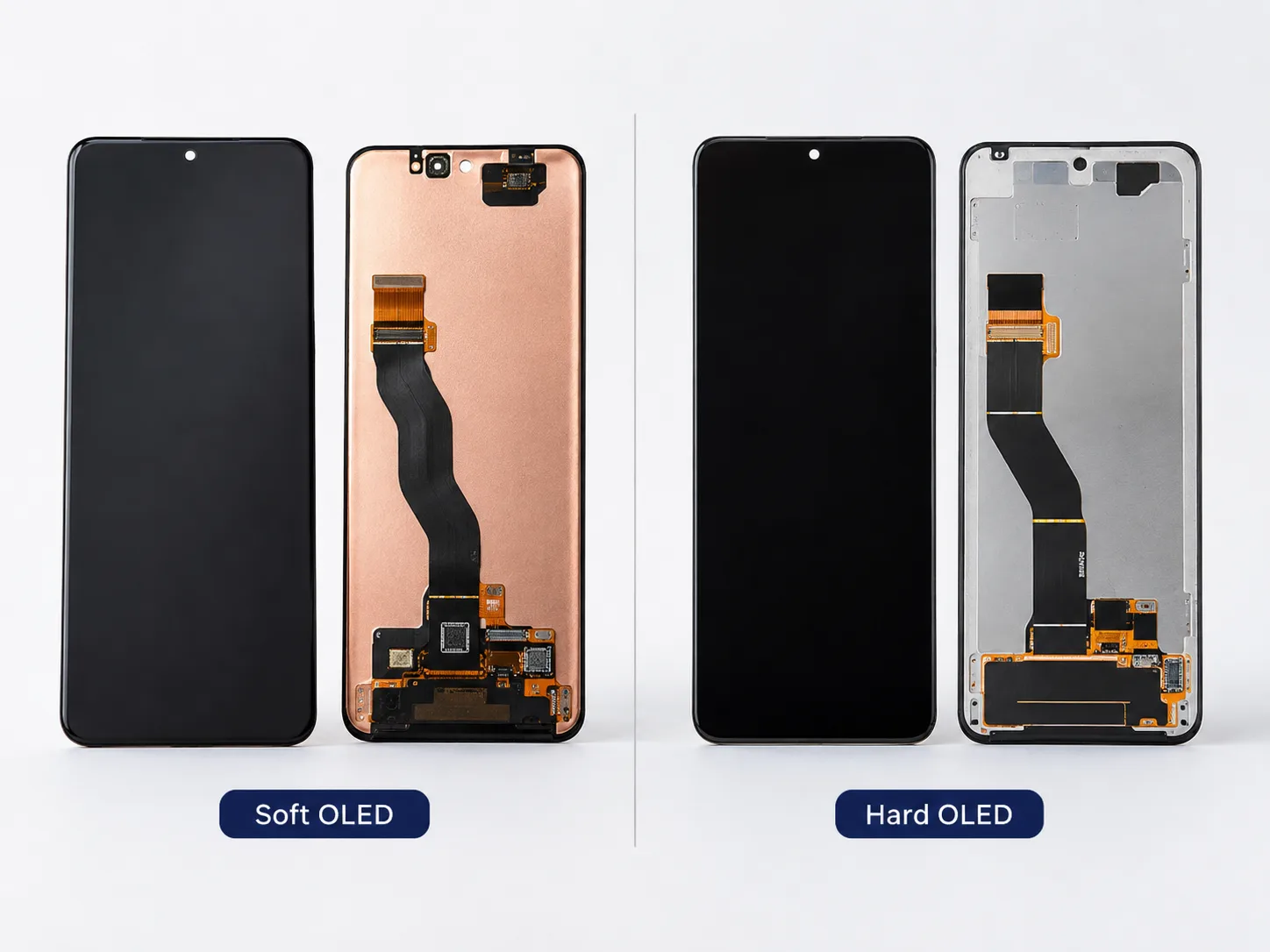
1. Flexible OLED vs. Rigid OLED: What’s the Difference?
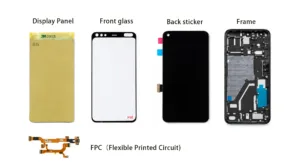
The main technical difference lies in the substrate beneath the OLED panel. Flexible OLED uses a flexible substrate; rigid OLED uses a rigid glass substrate. Therefore, flexible OLED has a higher tolerance for slight bending during handling and installation, while rigid OLED requires more careful handling of bending, frame deformation, and uneven pressure.
1.1 Flexible OLED
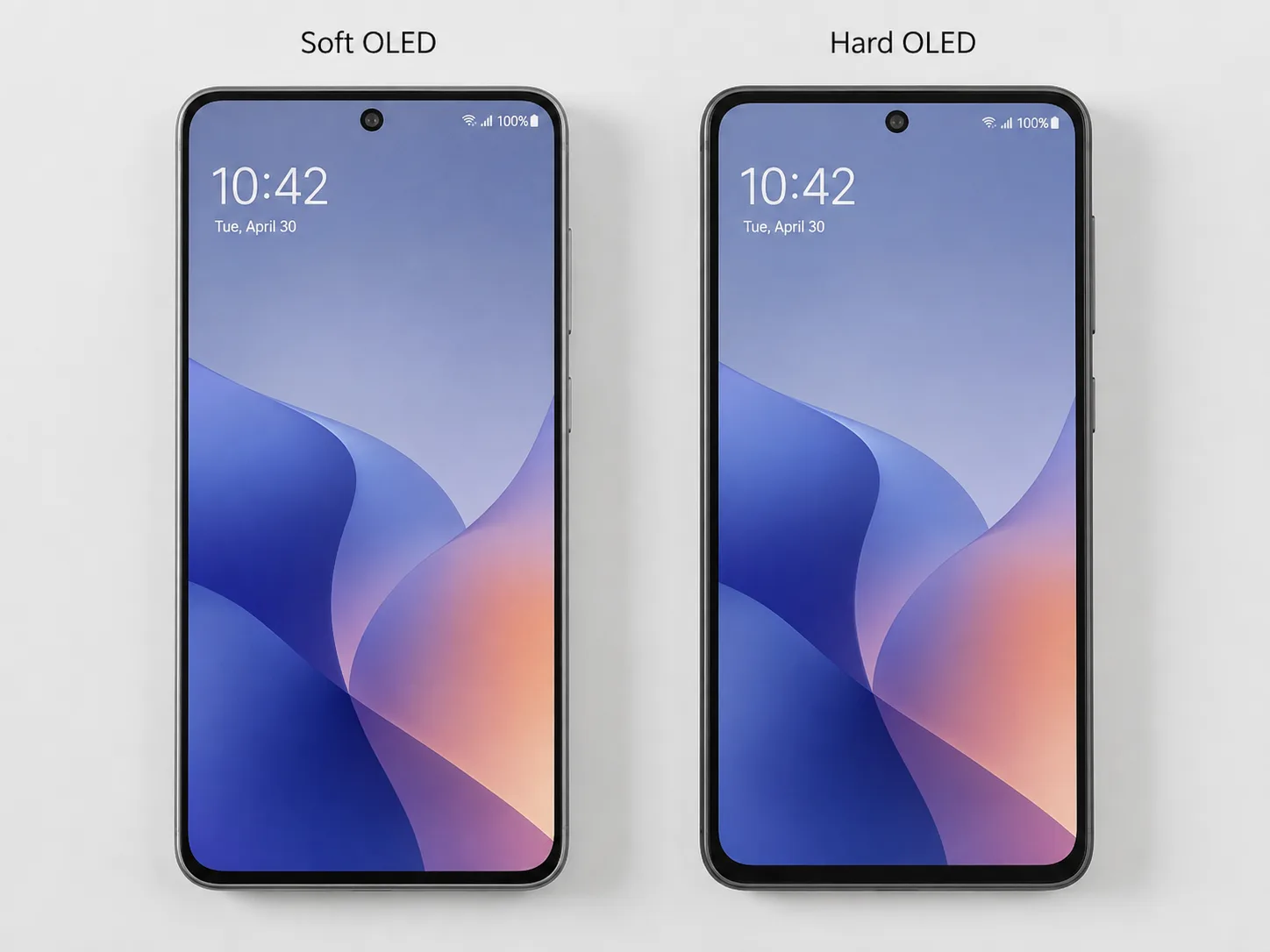
Flexible OLED is often positioned as a high-end aftermarket OLED option. Its flexible structure is closer to the physical structure of many phones originally designed with flexible OLED displays. Depending on the model and supplier, it may also be closer to the original design in terms of display area, bezel appearance, and module compatibility.
Best suited for those prioritizing quality or high-end aftermarket repairs.
Typically more expensive than rigid OLED.
Generally more resistant to installation stress caused by bending.
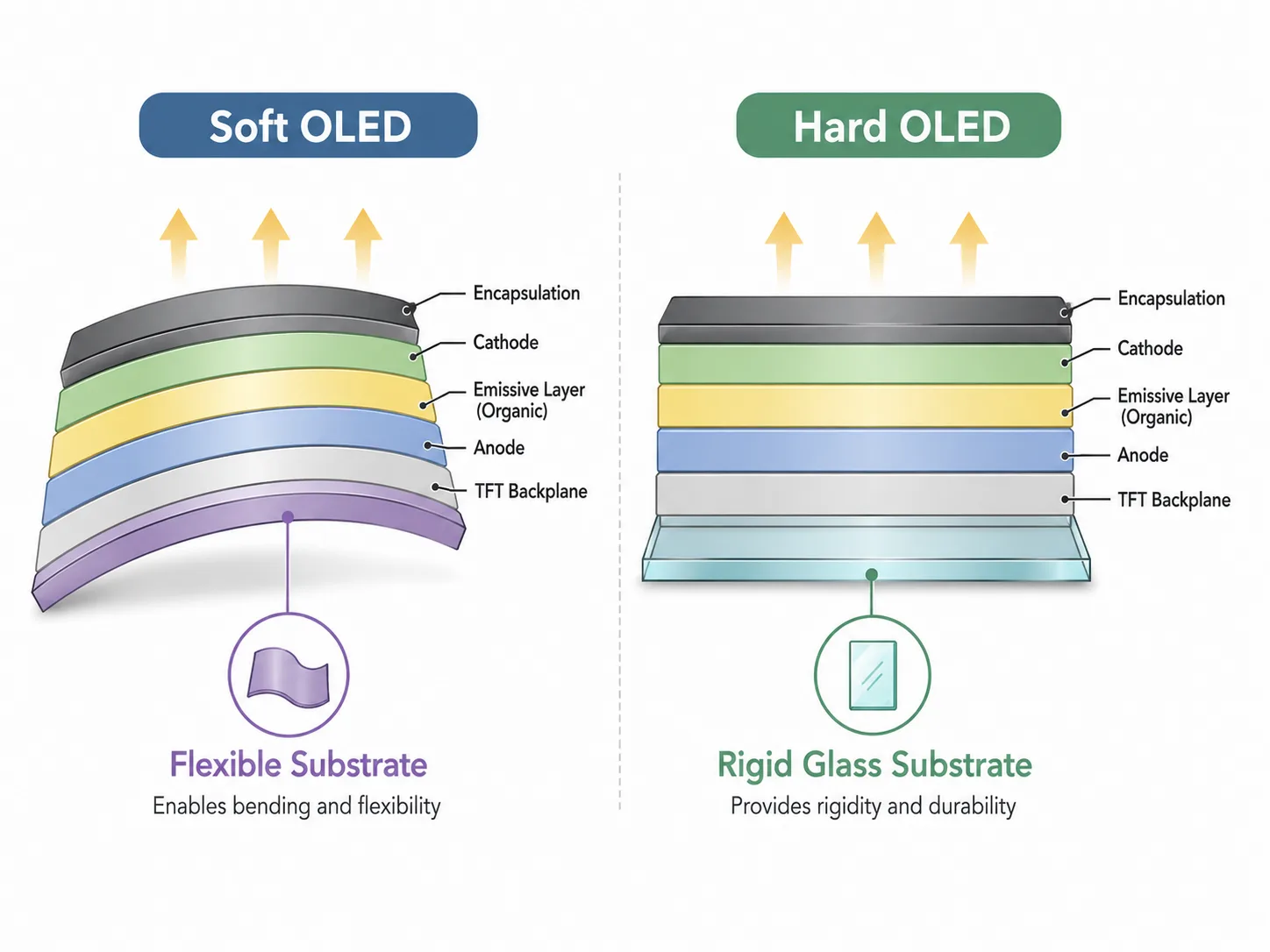
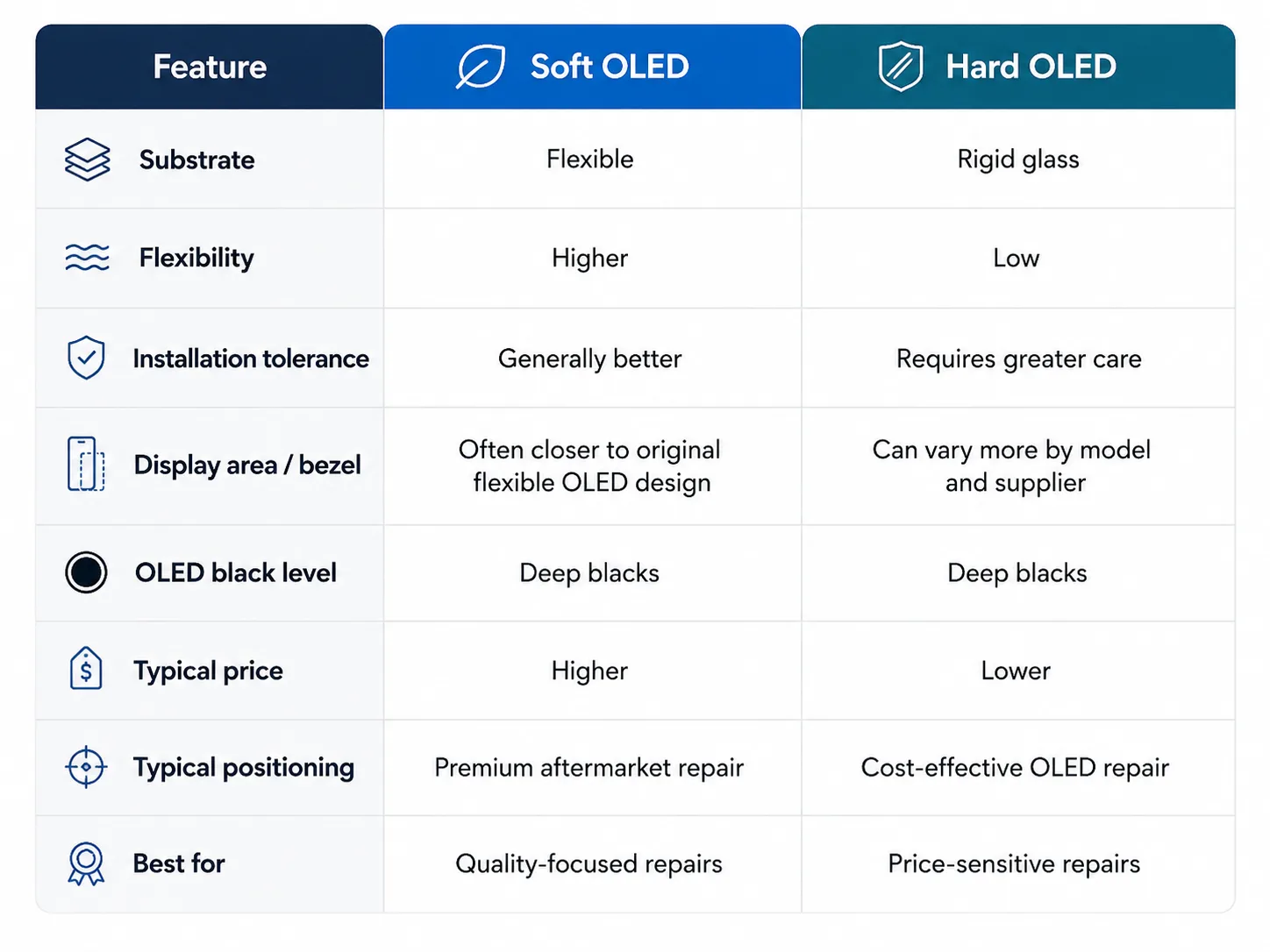
2. Comparison between soft OLED and rigid OLED
Important note: “Soft OLED” and “rigid OLED” describe panel structure, not complete quality levels. Factors such as brightness, color, touch response, cover glass, flex cable quality and production consistency can still vary by supplier and batch.
3. Which should a repair shop choose?
Repair shops can leverage these two screen types to build different service levels. The choice of screen type should match the customer’s budget and the value of the device, rather than viewing one screen type as the only correct option.
3.1 When to choose rigid OLED… The market is highly price-sensitive.
Repair shops want to offer a lower-priced OLED option.
The device is relatively old, or the customer has a limited repair budget.
The company specifically offers multiple screen quality grades.
3.2 When to choose flexible OLED… The repair service is positioned at a higher quality level.
Buyers want an aftermarket solution that is closer to the original flexible OLED structure.
Fitness, bezel appearance, and installation tolerances are more important considerations.
This phone is of higher value and deserves a higher repair price.
4. What B2B Buyers Should Check Before Bulk Ordering
For wholesalers, distributors, refurbishers, and repair chains, choosing between soft and hard OLED is only the first step. Actual order quality depends on the specific model, specifications, testing procedures, and batch consistency.
4.1 Display and Touch Quality
Check brightness, color consistency, black levels, display uniformity, full-screen touch, edge response, and multi-touch performance. Screen labels alone cannot guarantee consistent display or touch quality.
4.2 Installation Compatibility
Be sure to confirm screen size, bezel shape, connector alignment, cable placement, frame fit, and installation stability on specific phone models. Sample testing is especially important when changing suppliers or screen grades.
4.3 Batch Consistency and After-Sales Service
Good samples do not automatically guarantee the quality of bulk shipments. Buyers should confirm how the supplier controls production batches, records defects, and handles warranty or after-sales issues.
5. WOSENTE Screen Supply and Quality Control
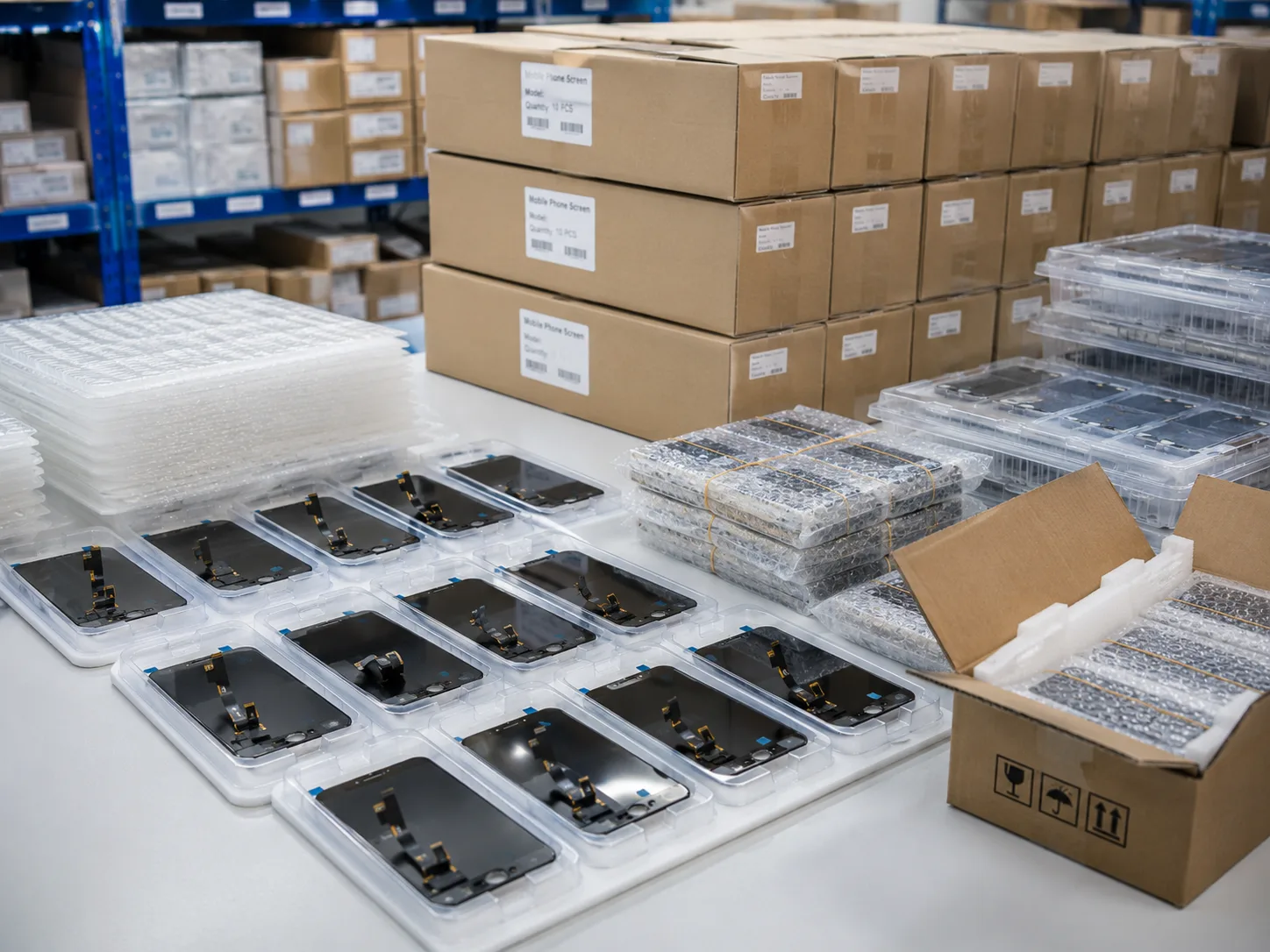
WOSENTE supplies mobile phone screens to wholesalers, distributors, importers, refurbishers, and professional repair businesses. Optional configurations vary by brand and model, including In-Cell LCD, rigid OLED, flexible OLED, bezel-less, and some service package options.
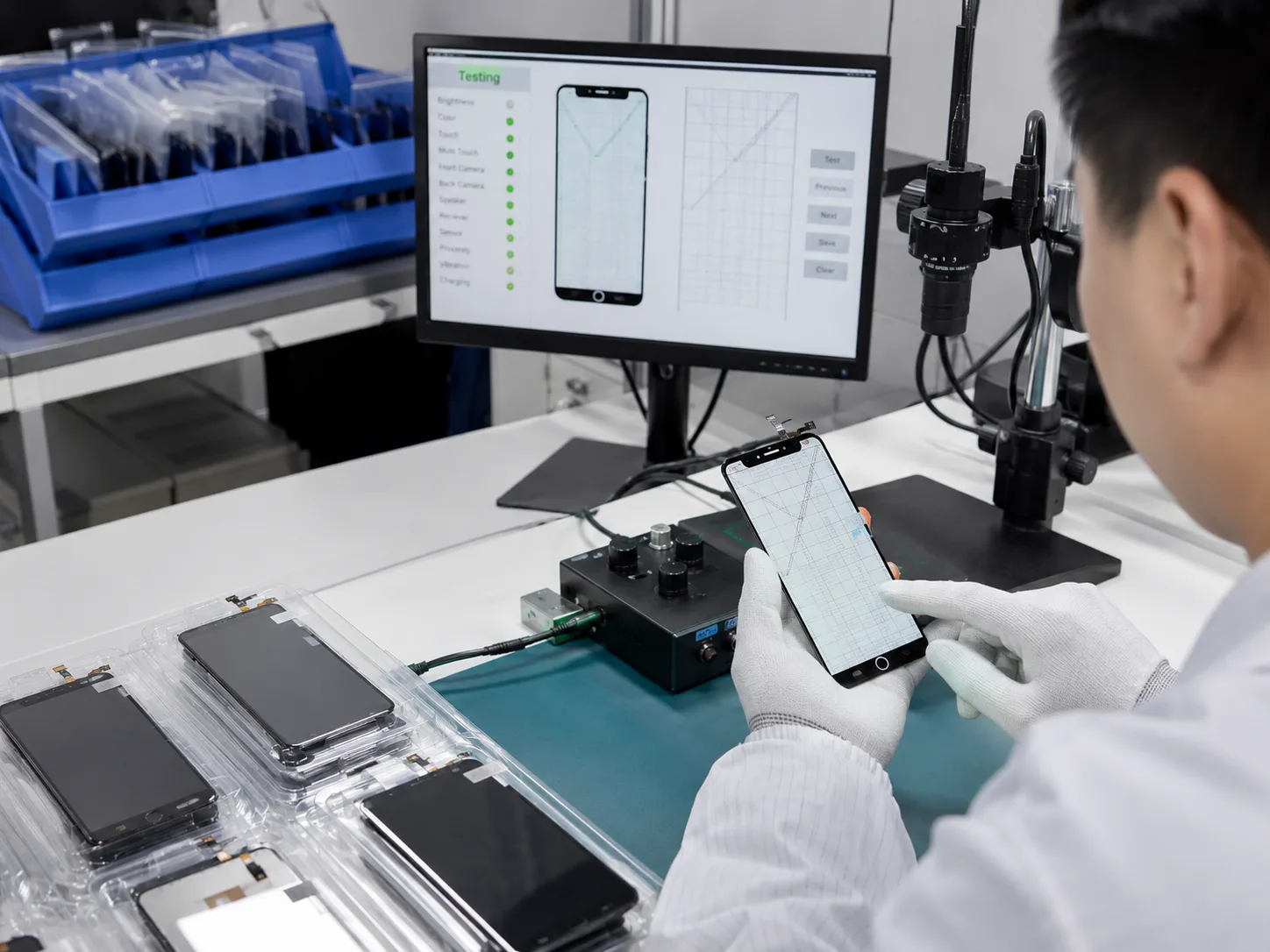
Screen quality checks are performed according to product type and order requirements, including display and optical checks, touch and functional testing, appearance checks, aging or stability testing, and compatibility verification.
For a quote, the buyer should provide: brand, exact model, preferred screen type, bezel options, quality requirements, and quantity.
6. Frequently Asked Questions
6.1 Is flexible OLED better than rigid OLED?
Not always. Flexible OLED is generally better suited for high-quality after-sales repair, while rigid OLED is better suited for situations where purchase cost and repair price are the primary considerations.
6.2 Does flexible OLED mean original?
No. Soft OLED refers to the structure of an OLED replacement panel. Soft OLED, Hard OLED, original panel, refurbished original panel, and service package are different product concepts.
6.3 Should wholesalers stock both types of products?
For many markets, the answer is yes. Offering both types of phones allows dealers and repair shops to meet the needs of different price points and customer expectations with the same phone.