
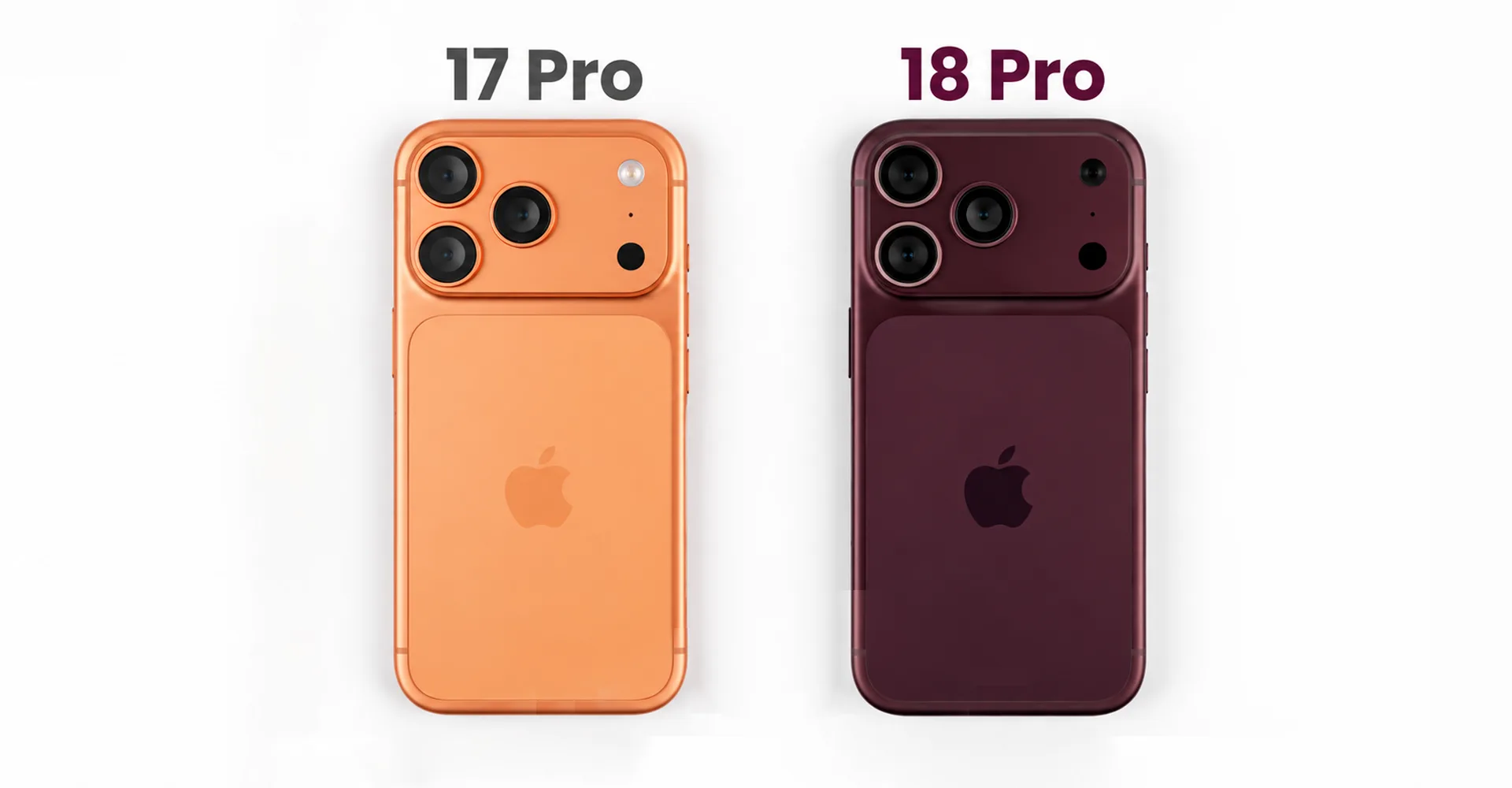
iPhone 18 Pro Teardown Analysis
iPhone 18 Pro Teardown Analysis: How a Smaller Dynamic Island Changes Repairability How a Smaller Dynamic Island Changes Repairability A smaller Dynamic Island may look like a simple reduction in the area occupied at the top of the screen. In the teardown, however, the change also affects the display’s pixel arrangement, infrared camera position and front camera flex cables. The device also shows a revised logic board, a larger cooling structure and changes to the battery connection. For repair businesses and parts buyers, the key concerns are access and compatibility. The display and infrared camera require closer optical coordination, while
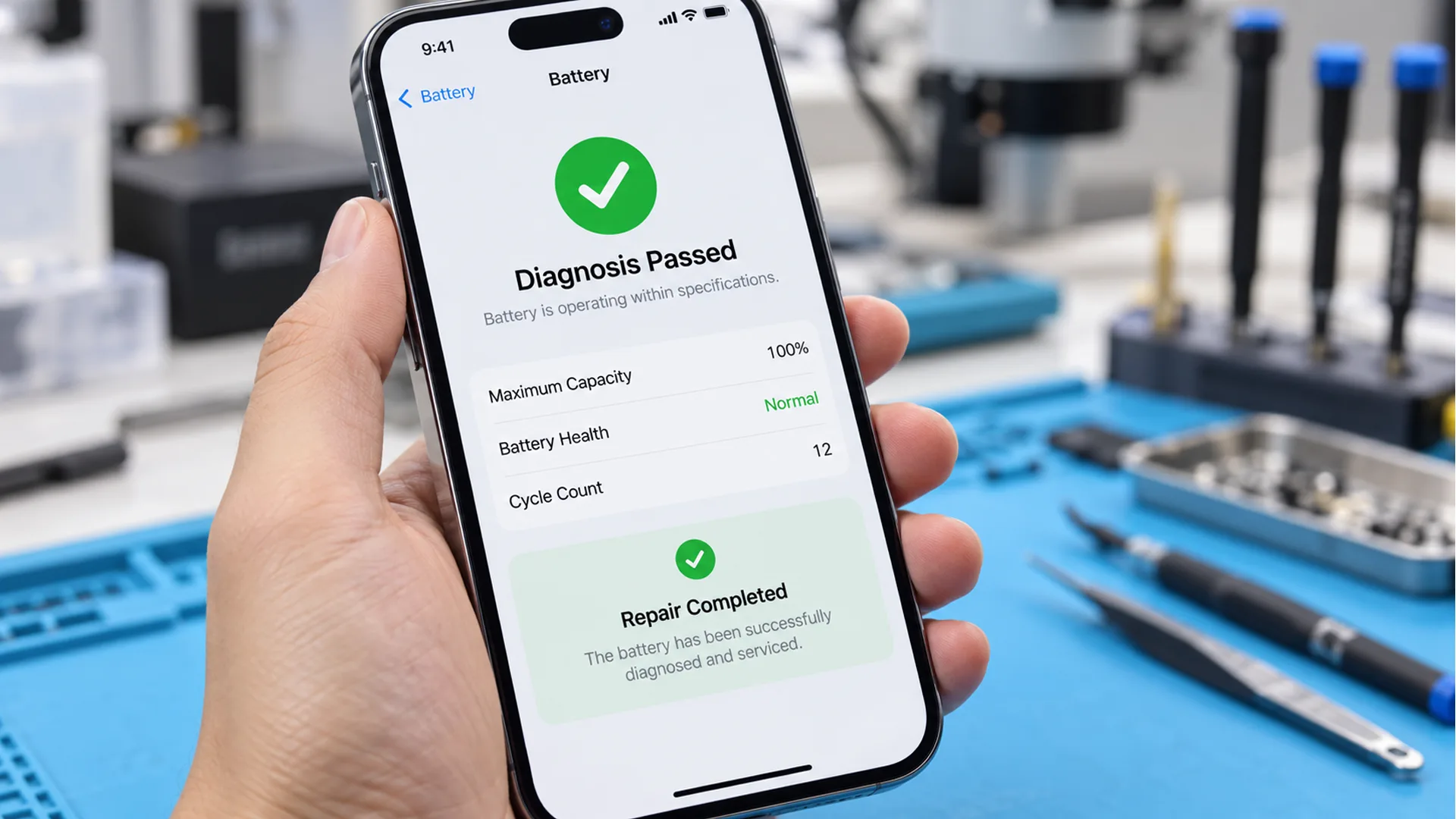
Diagnostic-Compatible iPhone Parts: How They Work, Benefits and Risks
Diagnostic-Compatible iPhone Parts: How They Work, Benefits and Risks Diagnostic-compatible iPhone parts are attracting attention in the aftermarket because they can pass Repair Assistant checks even though the screen or battery itself is an aftermarket replacement. For repair businesses, this creates a new option between conventional aftermarket parts and higher-cost OEM parts. The key is not that the entire part becomes OEM. Instead, the method relies on specific OEM-pulled chips that carry the pairing or calibration information used during the diagnostic process. The screen and battery use different approaches, and both come with practical benefits and important risks for B2B
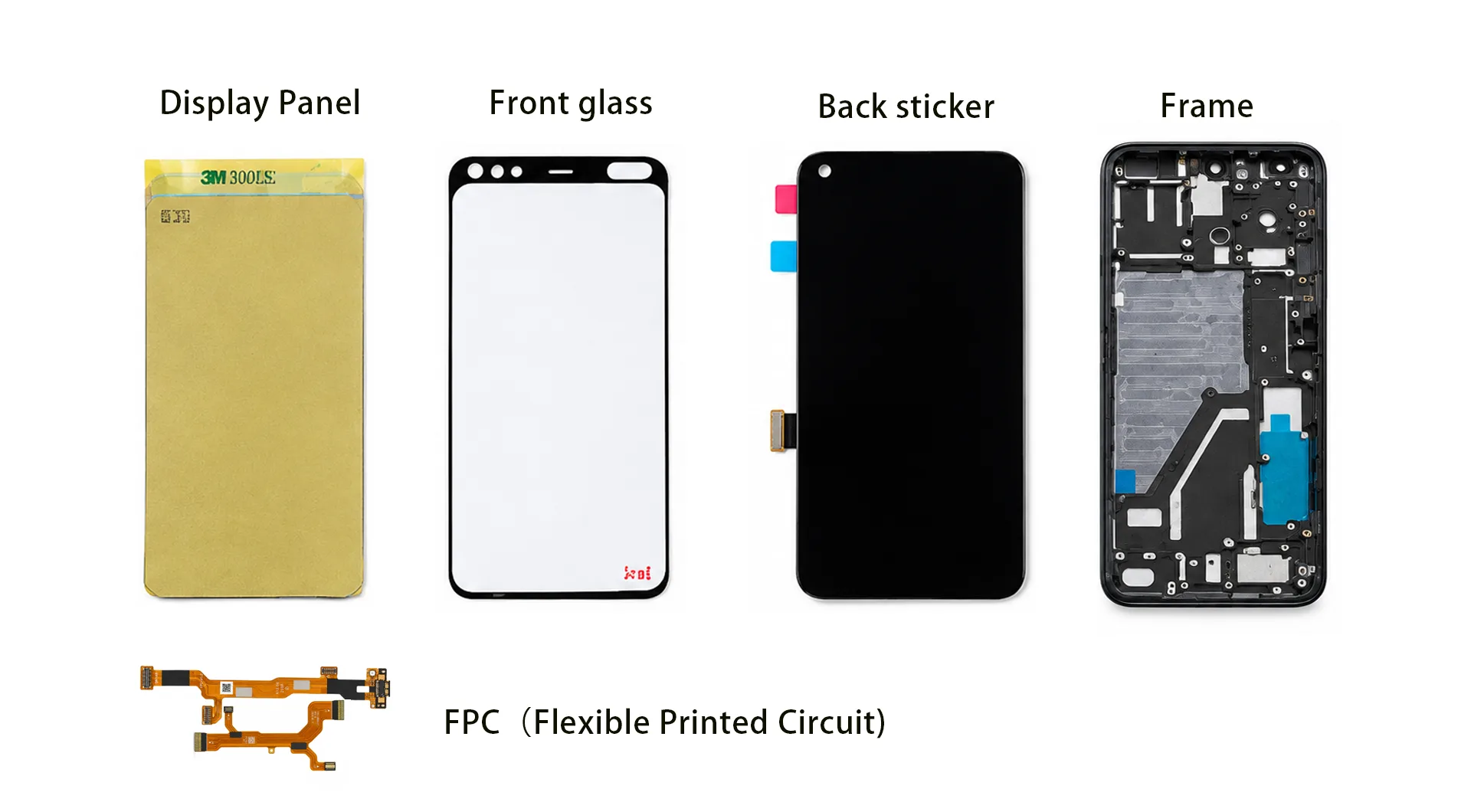
How Are Aftermarket OLED Screens for Samsung Phones Made?
Manufacturing Process Guide for B2B Screen Buyers For wholesalers, distributors, importers and professional repair businesses, the quality of a replacement screen depends on much more than whether the product is labeled “OLED.” An aftermarket OLED screen for a Samsung phone is assembled through multiple stages involving panel preparation, IC and FPC bonding, precision cutting, optical lamination, functional testing, fingerprint-module installation and frame assembly. Understanding this process can help B2B buyers evaluate why two visually similar replacement screens may perform differently in touch response, fit, stability and defect rate. WOSENTE supplies multiple Samsung Phone Screens for professional repair and wholesale markets. This
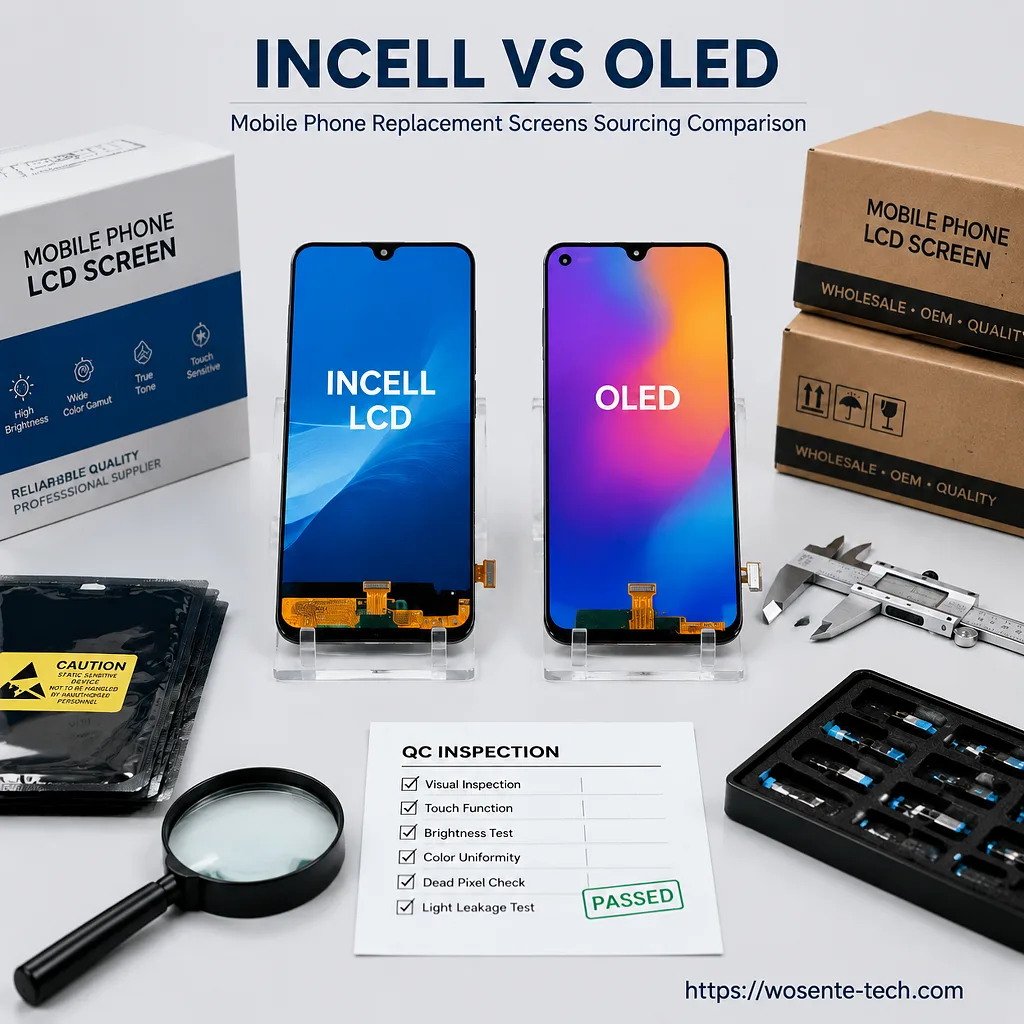
Incell vs OLED: B2B Screen Buying Guide | WOSENTE
A B2B purchasing guide comparing Incell vs OLED replacement screens for wholesalers, distributors, importers, and professional repair businesses.
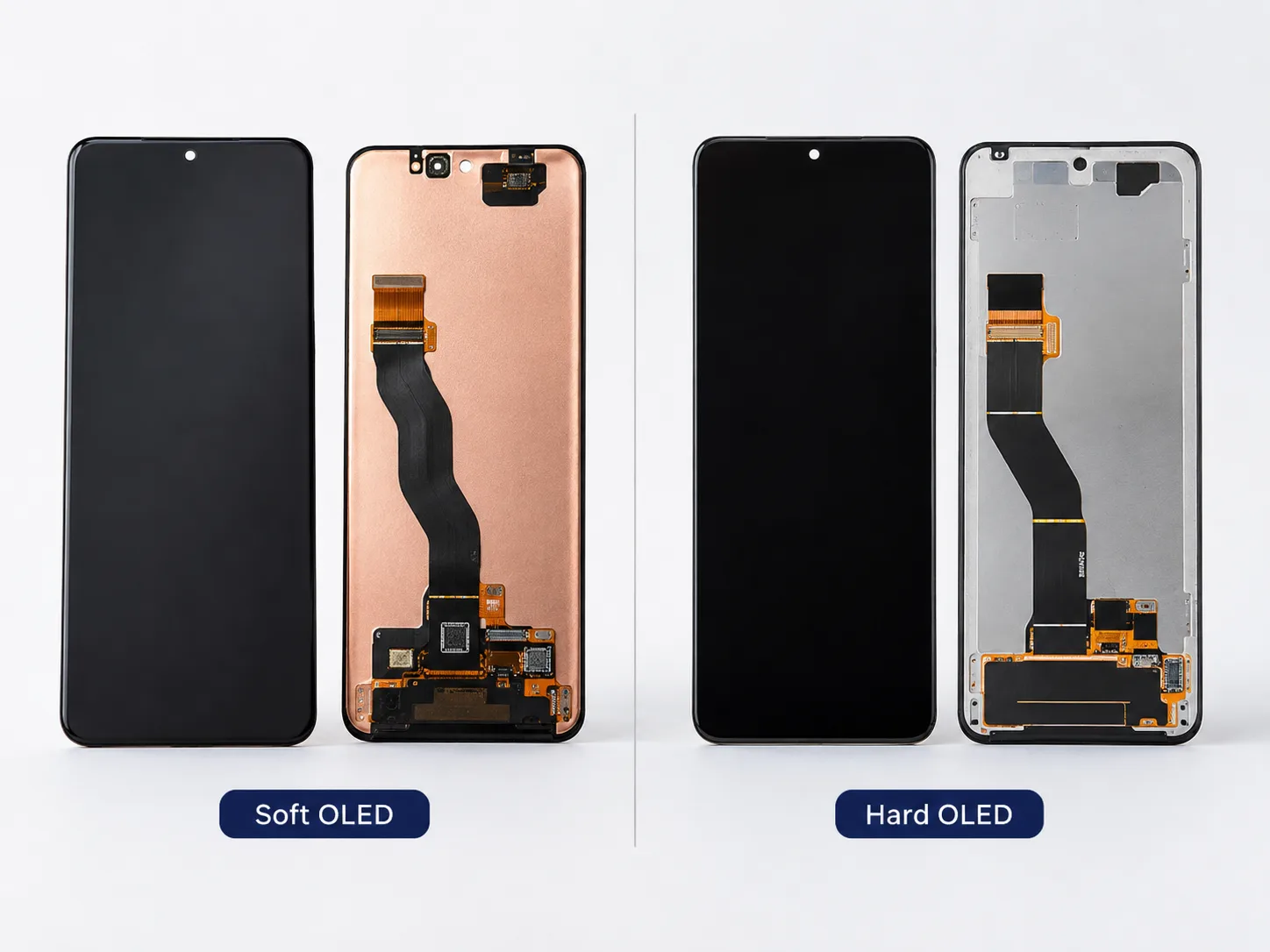
Soft OLED vs Hard OLED: Which Is Better for Phone Repair Businesses?
1. Flexible OLED vs. Rigid OLED: What’s the Difference? The main technical difference lies in the substrate beneath the OLED panel. Flexible OLED uses a flexible substrate; rigid OLED uses a rigid glass substrate. Therefore, flexible OLED has a higher tolerance for slight bending during handling and installation, while rigid OLED requires more careful handling of bending, frame deformation, and uneven pressure. 1.1 Flexible OLED Flexible OLED is often positioned as a high-end aftermarket OLED option. Its flexible structure is closer to the physical structure of many phones originally designed with flexible OLED displays. Depending on the model and supplier,